Here are clear practical and safe details about an EndofLine Flame Arrestor EOL Flame Arrestor what it is how it works where its used types maintenance and selection considerations
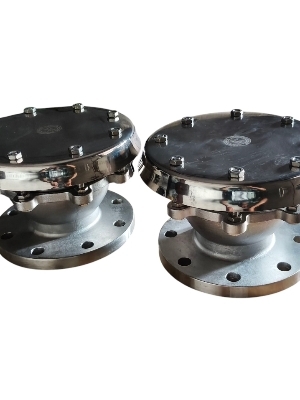
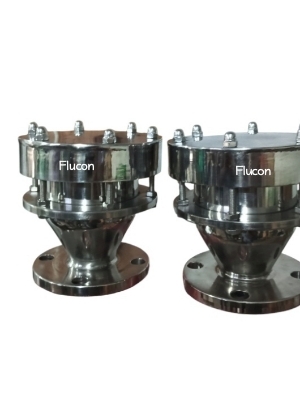
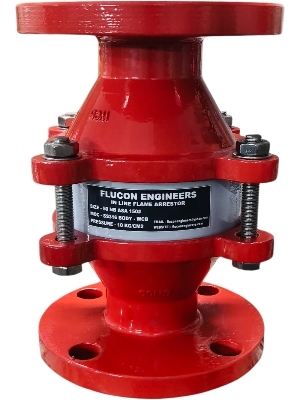
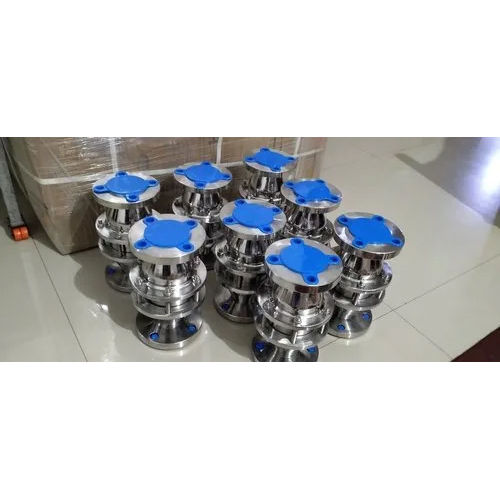
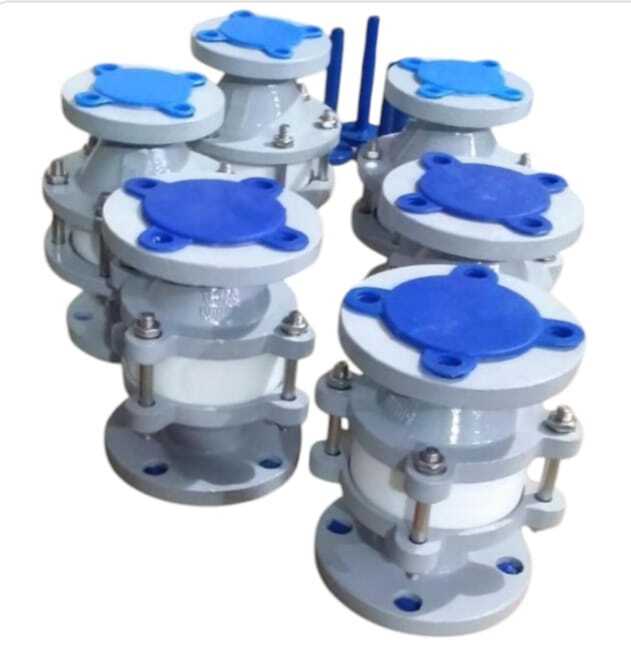
EndofLine Flame Arrestor EOL Flame Arrestor
An endofline flame arrestor is a safety device installed at the end of a vent line usually on storage tanks process vessels or piping systems to stop flames from entering the equipment while still allowing gases or vapors to vent safely
It protects the vessel from external ignition sources such as sparks fire lightninginduced ignition or flame flashback
1 Purpose
An EOL flame arrestor is designed to
Prevent flame propagation into a tank or system
Allow venting of gasesvapors
Protect tanks that vent directly to the atmosphere
Reduce risk of explosion and fire flashback
They are often paired with breather valves or pressurevacuum vents on fuel or chemical tanks
2 How It Works
Flame arrestors use a flameelement core typically made of
Wound metal ribbon
Crimped stainlesssteel plates
Sintered metal
This element has very small passageways that
Allow vapor flow
Absorb heat from a flame front
Reduce flame temperature below ignition point
Stop the flame from continuing past the element
This prevents the flame from entering the tank
3 Construction Features
Housing Cast aluminum carbon steel or stainless steel
Flame element Crimped or wound stainless steel
Weatherhood rain shield Prevents water debris or animals from entering
Drain holes To remove condensation and rainwater
Mounting flange For installing on tank vent nozzles
4 Typical Applications
Endofline flame arrestors are used on
Fuel storage tanks diesel gasoline solvent tanks
Chemical storage tanks
API atmospheric tanks
Vapor vent pipes
Biogas and flare systems
Tank breather valve outlets
They are mandatory in many hazardous locations including
API 2000 compliant tank systems
ATEXIECEx classified areas
Marine and offshore applications
5 Types of Flame Arrestors
A Deflagration Flame Arrestor
Stops lowspeed flame fronts
Most EOL arrestors are deflagration types
B Detonation Flame Arrestor
Designed for highspeed pressuredriven detonations
Used inline not typically endofline
C EndofLine vs InLine
Endofline On the final vent opening to the atmosphere
Inline Installed within piping systems
6 Key Parameters to Specify
When choosing an EOL flame arrestor important details include
Operating conditions
Vapor composition gas group classification
Maximum vapor temperature
Maximum flow rate
Environmental conditions
Outdoor rating corrosion rain dust
Material compatibility
Certification
ATEX IECEx
ISO 16852
USCG marine
NFPA 30 compliance for flammable liquids
Design details
Connection size 2 3 4 6 etc
Body material aluminumCSSS
Flame element material SS 316L recommended
7 Maintenance Requirements
EOL flame arrestors must be periodically inspected because dirt or corrosion can block the flame element
Typical checks
Clean the flame element remove dirt paint rust insects
Check for corrosion and deformities
Inspect weatherhood and screen
Check gaskets bolts and flanges
Most manufacturers recommend inspection every 36 months depending on vapor duty
8 Advantages
High safety against external ignition
Simple passive device no power needed
Long lifespan
Works with most flammable vapors
9 Limitations
Not suitable for inline detonation wave protection
Must be kept clean to function
Wrong gas group selection can cause failure
Pressure drop increases as element becomes dirty
If you want I can also give you.
Here is a clear professional and easytounderstand overview ABOUT an Industrial Glass Tube Rotameter
If you need specs sizing guidelines or applicationbased selection just tell me
Industrial Glass Tube Rotameter Overview
A rotameter is a variable area flowmeter used to measure the flow rate of liquids or gases
An industrial glass tube rotameter uses a tapered transparent glass tube and a float that rises or falls depending on flow rate
It is widely used because it is simple accurate lowcost and requires no power
1 How It Works
A rotameter consists of
Tapered glass tube wide at top narrow at bottom
Float usually stainless steel PTFE or plastic
Scale marked along the tube
Operation principle
Fluid enters from the bottom of the tube
The float rises until upward fluid force float weight
The float position corresponds to the flow rate
The reading is taken at the floats widest diameter depending on manufacturer practice
The design provides a linear flow scale for easy reading
2 Construction Materials
Tube
Borosilicate glass standard
Toughened safety glass
Float
Stainless steel
Glass
Ceramic
PTFE for corrosive fluids
End Connections
Flanged ANSIDIN
Threaded
Hose nipples
Body Housing
Aluminum SS or MS powdercoated
3 Applications
Industrial glass tube rotameters are used in
Liquids
Water
Chemicals
Oils
Corrosive fluids with PTFE float
Gases
Air
Nitrogen
Oxygen
Natural gas
Instrument air lines
Used in
Chemical plants
Water treatment systems
Pharmaceuticals
Laboratories
Food beverage
Petrochemical industries
4 Measurement Ranges
Typical ranges
Liquids
10 LPH to 40000 LPH or more depending on design
Gases
05 Nmhr to 100 Nmhr or higher
Ranges depend on
Tube size to 4 typical
Fluid density
Viscosity
Operating pressure temperature
5 Accuracy
Typical accuracy
2 of full scale good quality units
1 for precision models
Repeatability is generally high 05 to 1
6 Advantages
No external power required
Simple visual reading
Low pressure drop
Suitable for corrosive fluids with material options
Costeffective
Linear scale and easy calibration
7 Limitations
Not ideal for opaque fluids
Glass tube can break not suitable for very highpressure systems
Accuracy affected by changing fluid densityviscosity
Must be mounted vertically flow upward only
For highpressure or hazardous service metal tube rotameters are preferred
8 Important Selection Parameters
To choose a correct rotameter you need
Fluid type liquid or gas
Operating conditions
Flow range
Pressure
Temperature
Density viscosity
End connection type
Wetted material compatibility
Desired accuracy
Mounting orientation must be vertical
If you want I can also provide
Typical datasheet template
Selection guidance for your specific flow range
Difference between glass tube and metal tube rotameters
Installation guidelines








 Send Inquiry

 Send Inquiry
 Send Inquiry
 Send SMS